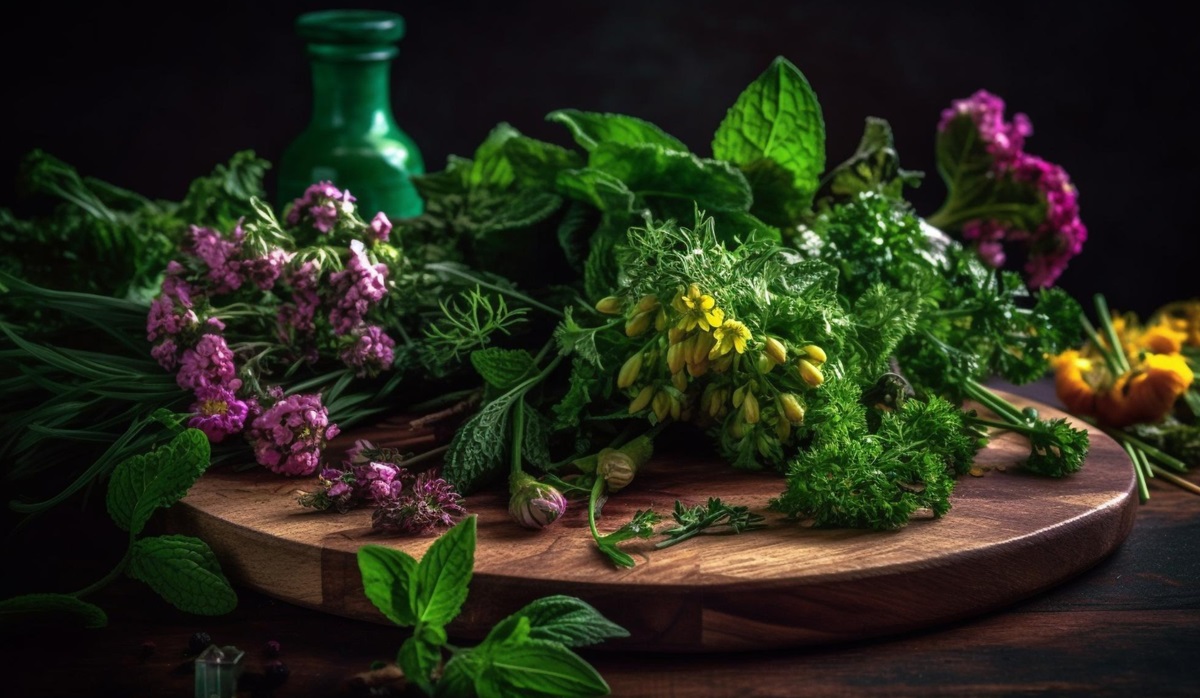
Oregano to Thyme: How Herbs Transform Your Roast Potatoes
Imagine a plate of perfectly roasted potatoes – golden brown, irresistibly crispy on the outside, and wonderfully fluffy on the inside. A simple pleasure, right? Now, imagine that same plate infused with an aromatic symphony, each bite bursting with layers of earthy, zesty, or subtly sweet notes. This transformation from good to gourmet is the magic of herbs. Finding the
best herb for roast potatoes isn't just about adding a sprinkle; it's about unlocking a new dimension of flavor that elevates this beloved comfort food from a humble side dish to a culinary masterpiece.
For many, roasted potatoes are a go-to choice for a quick weeknight dinner or a crowd-pleasing addition to a festive holiday spread. Their inherent versatility makes them an ideal canvas for a wide array of seasonings. While salt, pepper, and a good olive oil lay the foundation, it's the strategic introduction of fresh or dried herbs that truly defines their character and makes them unforgettable. Let's delve into the distinctive contributions of some of the most celebrated herbs and discover how they can revolutionize your next batch of roast potatoes.
The Aromatic Alchemy: Why Herbs Are Essential for Your Spuds
Potatoes, with their mild, earthy flavor, are incredibly receptive to the vibrant notes of various herbs. This makes them the ultimate partner for culinary exploration. When exposed to the high heat of roasting, herbs release their essential oils, infusing every nook and cranny of the potato with their unique essence. This isn't just about surface flavor; it's about a deep, resonant taste that permeates the entire dish.
Beyond mere flavor, herbs also contribute enticing aromas that whet the appetite even before the first bite. The fragrant embrace of rosemary, the pungent allure of oregano, or the delicate whisper of thyme can evoke feelings of warmth, comfort, and sophistication. The right herb can enhance the natural sweetness of the potato, cut through its starchiness, or add a much-needed layer of complexity, making your roast potatoes not just a side, but a star. To truly master this art, understanding the nuances of each herb is key. For a comprehensive overview, explore
The Ultimate Guide to 7 Best Herbs for Roast Potatoes.
Discovering Your Signature Flavor: The Best Herbs For Roast Potatoes
Choosing the
best herb for roast potatoes is a delightful journey of personal preference. While some prefer bold, assertive flavors, others might lean towards more subtle, fresh notes. Here’s a detailed look at the top contenders and how they can transform your roasted spuds:
Oregano: The Mediterranean Powerhouse
Whether fresh or dried, oregano delivers a robust, earthy, and slightly peppery flavor with subtle sweet and spicy undertones. It’s an assertive herb that brings a distinctive Mediterranean warmth to your potatoes.
*
Flavor Profile: Earthy, pungent, slightly bitter, with a hint of mint and pepper.
*
Best Uses: Excellent when paired with garlic, lemon zest, a touch of red chili flakes, and a generous drizzle of olive oil. For an extra kick, consider adding some crumbled feta cheese after roasting.
*
Fresh vs. Dried: Dried oregano is more concentrated, so use less than you would fresh. Fresh oregano can be infused in olive oil for a more gentle herbal flavor, while dried is perfect for tossing directly with the potatoes before roasting.
Rosemary: The Pungent Pine
Rosemary’s distinct woodsy, piney, and slightly lemony aroma is instantly recognizable and pairs beautifully with the mildness of potatoes. It’s a classic choice for a reason.
*
Flavor Profile: Aromatic, resinous, peppery, with notes of pine and citrus.
*
Best Uses: Infuse sprigs of fresh rosemary into olive oil for maximum impact, then toss with potatoes, garlic, and black pepper. It also shines when combined with Parmesan cheese.
*
Fresh vs. Dried: Fresh rosemary is more pungent and resinous. If using dried, opt for whole needles rather than powdered for better flavor and texture.
Thyme: The Earthy Whisper
Thyme offers an intense aroma with a balanced flavor that dances between minty, earthy, and subtly citrusy. It's distinct without being overpowering, making it incredibly versatile.
*
Flavor Profile: Savory, minty, earthy, with a delicate citrus note.
*
Best Uses: Thyme works wonderfully with olive oil, lemon, and garlic. It's also a fantastic companion to other herbs like oregano and marjoram for a more complex profile.
*
Fresh vs. Dried: While fresh thyme offers the most vibrant flavor, dried thyme is a perfectly acceptable substitute, especially when mixed with garlic and a dash of cayenne pepper for warmth.
Parsley: The Fresh Finisher
Often underestimated, parsley (especially flat-leaf Italian parsley) is a vibrant herb that brings a clean, fresh, and slightly peppery note, brightening the richness of roasted potatoes.
*
Flavor Profile: Fresh, green, slightly peppery, with a clean finish.
*
Best Uses: Parsley is best added at the very end of cooking, or as a garnish, to preserve its fresh flavor and vibrant color. It pairs well with almost any other herb, garlic, and lemon.
*
Fresh vs. Dried: Always opt for fresh parsley if possible for roast potatoes, as its dried form loses much of its vibrant character.
Marjoram: Oregano's Milder Cousin
Marjoram offers a delicate, sweet, and woodsy flavor that is often described as a milder, sweeter version of oregano. It provides warmth without overwhelming the palate.
*
Flavor Profile: Sweet, woodsy, floral, with hints of pine and citrus.
*
Best Uses: Excellent with garlic, onion powder, and a squeeze of lemon. It complements lighter dishes and can be combined with thyme for a beautiful blend.
*
Fresh vs. Dried: Both forms work well, with dried marjoram retaining more flavor than some other dried herbs.
Cilantro: The Bright and Bold
Cilantro offers a polarizing, yet distinctive, fresh, citrusy, and slightly peppery flavor. It’s a staple in many global cuisines and can add an exciting twist to your roast potatoes.
*
Flavor Profile: Bright, citrusy, herbaceous, with a touch of pepperiness.
*
Best Uses: Best used fresh, tossed with warm potatoes and a squeeze of lime juice, or paired with a pinch of cayenne or red chili flakes for a spicy kick.
*
Fresh vs. Dried: Always use fresh cilantro for roast potatoes; dried cilantro has a significantly diminished flavor profile.
Sage: The Earthy Gem
Sage brings a robust, earthy, and slightly peppery flavor with hints of mint and citrus. Its strong presence makes it ideal for heartier potato preparations.
*
Flavor Profile: Earthy, savory, slightly peppery, with a touch of mint and pine.
*
Best Uses: Sage pairs wonderfully with garlic, black pepper, and can stand up to richer ingredients like Parmesan cheese. It’s particularly good with roasted root vegetables.
*
Fresh vs. Dried: Both fresh and dried sage are potent. Use dried sage sparingly as its flavor is very concentrated.
Beyond the Basics: Tips for Herb-Infused Perfection
Mastering the art of herb-infused roast potatoes involves more than just selecting your favorite herbs. Consider these additional insights to achieve truly outstanding results:
* **Timing is Key:** Robust herbs like rosemary and thyme can withstand longer cooking times and are great to add at the beginning, allowing their flavors to fully infuse the potatoes and olive oil. Delicate herbs like parsley and cilantro, however, are best added towards the end of roasting or as a fresh garnish to preserve their vibrant color and fresh taste.
* **Infuse Your Oil:** For a deeply herbaceous flavor, gently warm your chosen herbs (especially rosemary, thyme, or oregano) in olive oil for a few minutes before tossing with the potatoes. This helps to extract their aromatic compounds.
* **The Power of Synergy:** Don't be afraid to combine herbs! A blend of rosemary and thyme is a classic for good reason. Or try oregano with marjoram for a sweeter, more nuanced Mediterranean profile. Beyond herbs, consider complementary ingredients like minced garlic, lemon zest, red pepper flakes, or a sprinkle of Parmesan cheese for added depth.
* **Rough Them Up:** For extra crispy roast potatoes that hold onto herbs and seasonings beautifully, par-boil your potatoes until just tender, then drain and shake them vigorously in the pot (with the lid on) to rough up their edges. These nooks and crannies will become deliciously crispy and perfectly seasoned. For more tips on achieving that perfect crunch, refer to
Unlock Deliciousness: Top Herbs for Crispy Roast Potatoes.
* **Herb Butter Magic:** As hinted by some culinary experts, creating a sweet herb butter by mixing softened butter with finely chopped herbs like thyme, rosemary, or sage, then brushing it onto your potatoes (especially if they’re sliced Hasselback style) can provide an unparalleled juicy, buttery, and herbaceous experience.
Crafting Your Ultimate Roast Potatoes: A Quick Guide
Here’s a simplified approach to making the
best herb for roast potatoes truly shine:
1.
Choose Your Potatoes: Waxy potatoes (like Yukon Gold or red potatoes) hold their shape well, while starchy potatoes (like Russets) yield a fluffier interior.
2.
Prep: Peel (optional) and chop potatoes into uniform 1-inch pieces. Par-boil for 5-7 minutes until slightly tender, then drain and shake to rough up the edges.
3.
Seasoning Base: Toss the warm, roughed-up potatoes with good quality olive oil, salt, and black pepper.
4.
Add Your Herbs: Stir in your chosen robust herbs (rosemary, thyme, oregano, sage – dried or fresh, chopped) and any other aromatics like minced garlic, onion powder, or paprika.
5.
Roast: Spread potatoes in a single layer on a baking sheet. Roast in a preheated oven at 400°F (200°C) for 30-45 minutes, flipping halfway, until golden brown and crispy.
6.
Finish: If using delicate fresh herbs (parsley, cilantro), toss them in immediately after removing the potatoes from the oven. A squeeze of fresh lemon juice or a sprinkle of Parmesan cheese can also be added at this stage.
Conclusion
From the earthy robustness of rosemary to the bright zest of cilantro, the world of herbs offers an endless palette for elevating your roast potatoes. Experimenting with different combinations and techniques is part of the culinary adventure. Whether you prefer a bold, aromatic declaration or a subtle, fresh whisper, there's a perfect herb out there to transform your spuds. So, next time you’re planning to make roast potatoes, remember the power of herbs. By thoughtfully selecting and applying the
best herb for roast potatoes, you're not just cooking; you're crafting an experience that will delight the senses and make every bite a memorable one.