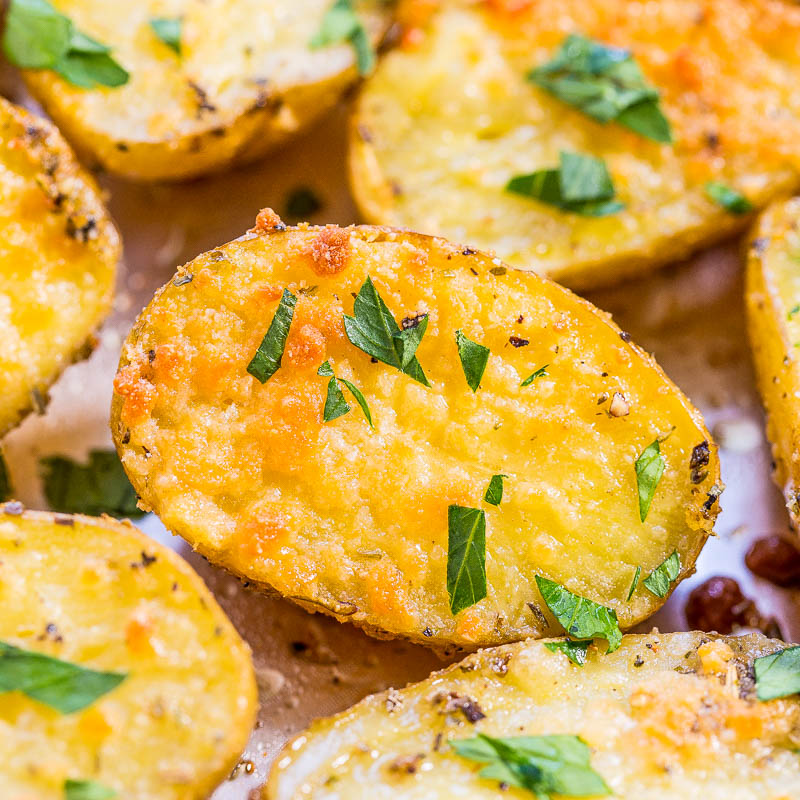
Elevate Your Spuds: The Ultimate Guide to the Best Herbs for Roast Potatoes
Few dishes offer the sheer comfort and versatility of perfectly roasted potatoes. Crispy on the outside, fluffy on the inside, they’re a staple that can transform a simple meal into a memorable feast. But what truly sets a batch of roast potatoes apart, making them irresistible and deeply flavorful? The answer often lies in the artful application of herbs. More than just a garnish, the right herb can introduce layers of aroma, taste, and complexity that elevate your spuds from good to gourmet. If you're looking to master this culinary delight, understanding the
best herb for roast potatoes is your secret weapon.
In this comprehensive guide, we'll dive deep into the world of aromatic enhancements, unveiling the seven magnificent herbs that promise to perk up every batch of roast potatoes you make. We'll explore their unique flavor profiles, optimal usage, and how they interact with other ingredients to create an unparalleled taste experience.
Why Herbs Are Indispensable for Flavorful Roast Potatoes
Potatoes are a wonderfully accommodating vegetable, acting as a blank canvas ready to absorb and showcase the flavors you introduce. While salt and pepper are foundational, it's the addition of savory and fragrant herbs that truly unlocks their full potential. Imagine the earthy depth, the zesty brightness, or the subtle warmth that herbs can contribute – each adding a distinctive personality to your roasted creations.
Herbs don't just add flavor; they bring an aromatic dimension that stimulates your senses even before the first bite. When combined with other common complementary ingredients like robust olive oil, pungent garlic, a squeeze of lemon, or a sprinkle of Parmesan cheese, herbs create a harmonious symphony of tastes. From a quick weeknight side dish to a crowd-pleasing treat for your holiday menu, the right selection of herbs is the key to creating roast potatoes that everyone will rave about.
The Magnificent Seven: Unveiling the Best Herbs for Roast Potatoes
Let's explore the top contenders that will revolutionize your roasted potato game. Each herb brings its own unique character to the party, promising a distinct and delicious experience.
1. Oregano: The Assertive All-Rounder
Whether you have dried oregano or a bunch of fresh sprigs, this herb is a powerhouse of flavor that consistently delivers. Oregano offers a nuanced balance of sweet and spicy, with an assertive, earthy presence and a slight bitterness that perfectly complements the rich starchiness of potatoes. Its robust character makes it an excellent choice for infusing deep Mediterranean notes into your dish.
Flavor Profile: Earthy, peppery, with hints of mint and lemon.
Best Used: Both fresh and dried forms work beautifully. Toss dried oregano directly with your potatoes and olive oil before roasting. For fresh oregano, consider infusing it into warm olive oil for about 10-15 minutes before mixing with your potatoes, allowing the herbal essence to permeate the oil more deeply.
Pairs Well With: Lemon, garlic, parsley, feta cheese, and a pinch of red pepper flakes for an extra kick.
2. Rosemary: The Pungent Pine
The pronounced, somewhat rugged flavor profile of rosemary is a classic pairing with the gentle taste of potatoes. Its woody, piney, and slightly lemony notes cut through the richness of the potato, offering a refreshing and sophisticated counterpoint. Rosemary’s strong character ensures its flavor shines through even after roasting.
Flavor Profile: Woody, piney, peppery, resinous, with subtle citrus undertones.
Best Used: Fresh rosemary offers a more pungent and vibrant taste. Finely chop or lightly crush the needles before adding them to your potatoes to release their essential oils. Dried rosemary, with its milder flavor, is a good alternative if fresh isn't available, but remember to use slightly less. Infusing fresh rosemary in olive oil is an excellent way to capture its essence.
Pairs Well With: Garlic, black pepper, Parmesan cheese, and red chile flakes.
3. Thyme: The Subtle Scent of Earth and Citrus
Thyme is an intensely aromatic herb with a distinct identity that is remarkably versatile without being overpowering. Its pleasant flavor dances between minty and citrus-laced, earthy and savory, often with a hint of sweetness. Thyme’s delicate nature means it's best appreciated when allowed to meld with the potatoes during the roasting process. You can learn more about its transformative power in our article,
Oregano to Thyme: How Herbs Transform Your Roast Potatoes.
Flavor Profile: Earthy, minty, subtly lemony, and savory.
Best Used: Fresh thyme sprigs are ideal, as their leaves release their flavor wonderfully when roasted. You can leave the sprigs whole and remove them before serving, or strip the leaves and toss them with the potatoes. Dried thyme is also effective; just be mindful of quantity.
Pairs Well With: Olive oil, lemon, oregano, marjoram, garlic, and Parmesan cheese.
4. Parsley: The Brightening Finish
Often overlooked as merely a garnish, parsley (especially flat-leaf Italian parsley) offers a fresh, clean, and slightly peppery flavor that can beautifully brighten roasted potatoes. While not as robust as rosemary or oregano during cooking, it excels when added towards the end or as a finishing touch, providing a burst of vibrant color and a fresh counterpoint to the rich, savory potatoes.
Flavor Profile: Fresh, clean, herbaceous, slightly peppery.
Best Used: Always fresh. Finely chopped flat-leaf parsley is best sprinkled over the potatoes immediately after they come out of the oven, or even just before serving. Its delicate flavor can diminish with prolonged high heat.
Pairs Well With: Garlic, lemon zest, black pepper, and pretty much any other herb mentioned here for a fresh lift.
5. Marjoram: The Milder, Sweeter Cousin
Marjoram is often mistaken for oregano, but it boasts a gentler, sweeter, and more delicate flavor profile. It's less pungent and more floral, with subtle notes of pine and citrus. This makes marjoram an excellent choice if you're looking for an aromatic herb that adds depth without overwhelming the natural taste of the potato.
Flavor Profile: Mild, sweet, floral, woody, with a hint of citrus and pine.
Best Used: Both fresh and dried marjoram are good. Add it early in the roasting process to allow its flavors to infuse deeply into the potatoes and olive oil.
Pairs Well With: Lemon, garlic, thyme, and lighter seasonings.
6. Cilantro: The Zesty Surprise
Cilantro is perhaps the most divisive herb on this list, but for those who love its distinctive, fresh, and citrusy notes, it can be a delightful addition to roasted potatoes. It brings a bright, almost tangy zest that offers a refreshing contrast to the richness of the spuds. It's particularly well-suited for potatoes destined for a more global-inspired meal.
Flavor Profile: Fresh, citrusy, bright, with a hint of peppery notes.
Best Used: Always fresh and added towards the end of roasting or immediately after. Its delicate flavor is easily lost or can turn bitter with prolonged heat. Finely chop and toss with the hot potatoes just before serving.
Pairs Well With: Lime juice, chili powder, cumin, and onion powder for a Latin-inspired twist.
7. Sage: The Earthy & Aromatic Powerhouse
Sage offers a wonderfully earthy, slightly peppery, and robust flavor that is deeply savory. Its strong aroma and taste make it a fantastic partner for heartier potato dishes, bringing a comforting, almost rustic quality. Sage leaves, especially when crisped during roasting, add a textural and flavorful highlight.
Flavor Profile: Earthy, savory, slightly peppery, piney, with a hint of mint.
Best Used: Fresh sage leaves are best. You can chop them finely and toss with the potatoes, or even leave small leaves whole to crisp up in the oven. Add it at the beginning of the roasting process to allow its potent flavor to mellow and infuse.
Pairs Well With: Garlic, onion powder, paprika, and butter.
Mastering the Art: Tips for Herb-Infused Roast Potatoes
Choosing the
best herb for roast potatoes is only half the battle; knowing how to use them effectively is where true mastery lies.
- Fresh vs. Dried: As a general rule, use roughly one-third the amount of dried herbs compared to fresh, as dried herbs are more concentrated. While fresh herbs often provide a more vibrant flavor, dried herbs can also deliver excellent results, especially for more robust varieties like oregano, rosemary, and thyme.
- Timing is Key: Delicate herbs like parsley and cilantro are best added at the very end of cooking or just before serving to preserve their fresh flavor and color. Hardier herbs like rosemary, thyme, oregano, marjoram, and sage can be added at the beginning of the roasting process, allowing their flavors to infuse the oil and potatoes deeply.
- Infuse Your Oil: For maximum flavor, gently warm your olive oil with chopped garlic and your chosen hardy herbs (rosemary, thyme, oregano) for a few minutes before tossing with the potatoes. This helps to extract and deepen the herbal notes, ensuring they adhere beautifully to every spud.
- Chop or Tear: For woody herbs like rosemary and thyme, finely chopping or lightly crushing them helps release their aromatic oils. For oregano and marjoram, a rough chop or even just tearing the leaves can work well.
- Don't Be Afraid to Mix: Some herbs are fantastic solo, but many truly shine when combined. Rosemary and garlic is a classic. Thyme and oregano complement each other beautifully. Experiment with combinations to find your perfect blend.
- Consider Lemon and Garlic: A squeeze of fresh lemon juice or a sprinkle of lemon zest, along with minced garlic, can amplify the herbal notes and add a bright acidity that cuts through the richness of the potatoes.
Conclusion: Your Journey to Perfect Herb-Roasted Potatoes
From the robust earthiness of oregano and rosemary to the delicate sweetness of marjoram and the zesty burst of cilantro, the world of herbs offers an incredible palette of flavors to enhance your roast potatoes. No matter your preference, there's a
best herb for roast potatoes waiting to transform your next meal. Don't shy away from experimentation; try different combinations, adjust quantities, and discover your own signature blend. With these tips and insights, you're well-equipped to create crispy, tender, and extraordinarily flavorful roast potatoes that will be the highlight of any table. So go ahead, unleash the power of herbs, and savor the delicious difference they make!